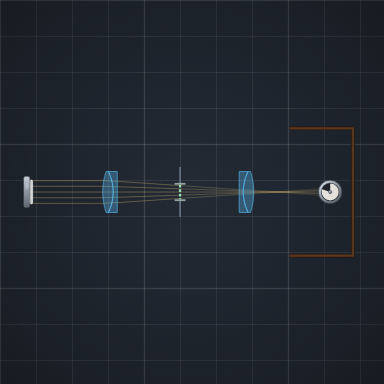
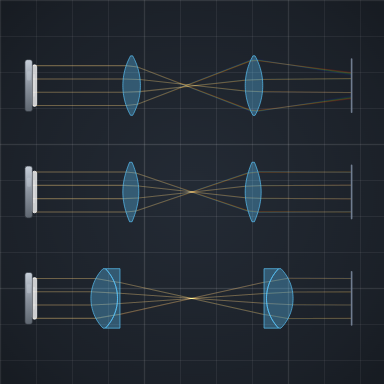
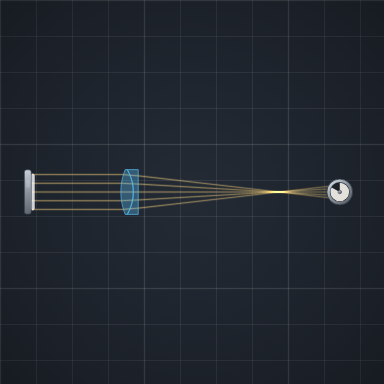
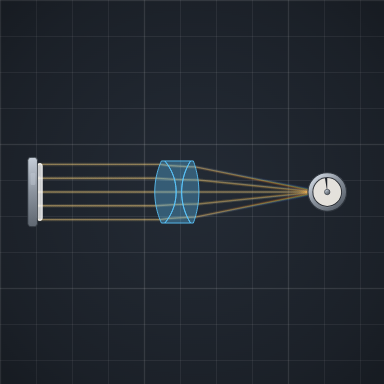
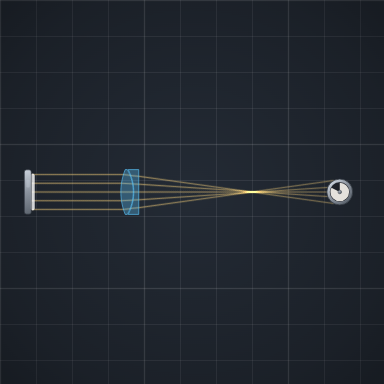
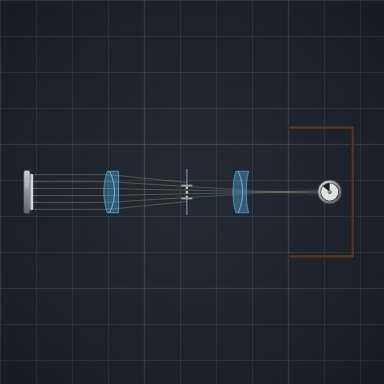
Tessares is Greek for four: front crown, air-spaced flint, stop, cemented rear doublet. Rudolph filed it in 1902 after the Planar. Zeiss advertised it as “the eagle eye of your camera”. It stayed in production, in one shape or another, for most of the twentieth century.
It looks like a Cooke triplet with the rear glass split and glued. Rudolph actually came from his own Protar, not from Taylor. This board is the four-glass recipe on a meter.